
What To Do If Your Heater Fails Unexpectedly
It always seems to happen at the worst possible moment. Late night. Freezing morning. Guests in the house. And suddenly… nothing. No warm air. Just that quiet hum or, worse, total silence. When a heater fails, panic sets in fast. I’ve been there, standing in socks on cold tile, asking myself how this went sideways so quickly.
Let’s slow it down. You’ve got options. And no, freaking out won’t help—though I get why it feels tempting.
First Things First: Don’t Assume the Worst
When a heater fails, people jump straight to “It’s dead.” Sometimes it is. Often, it’s not.
Start small. Check the thermostat. Sounds obvious, but I’ve seen it set to “cool” more times than I’ll admit. Batteries die quietly. Settings get bumped. Life happens.
Next, peek at the breaker. A tripped switch can shut everything down. Flip it back once. Just once. If it trips again, stop right there. No hero moves.
Gas heater? Take a look at the pilot light. If it’s out, that might be your whole problem. If you smell gas, though—walk away and call for help. No exceptions.
Buy Yourself Time (Safely)
If your heater fails and the house starts feeling like a walk-in freezer, you need a short-term plan.
Space heaters can help, but don’t scatter ten of them around like candles on a cake. Use one or two. Plug them directly into the wall. Keep them away from curtains, furniture, pets, and kids. I once watched a guy drape a blanket over a space heater “to keep the heat in.” Please don’t be that guy.
Layer up. Hoodies, socks, blankets. Close doors to rooms you don’t use. Trap what warmth you’ve got. And yes, this is temporary. Not a lifestyle choice.
Listen to What the System Is Telling You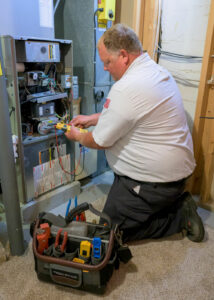
A heater usually gives warnings before it quits. Clanks. Rattles. Short cycling. Cold air blowing when it shouldn’t.
When a heater fails after weeks of weird noises, that’s not bad luck. That’s delayed attention. Think of it like ignoring a check engine light until the car stalls on the highway.
If your unit shut down suddenly with no warning, electrical issues or safety switches might be involved. Modern systems shut themselves off to avoid bigger problems. That’s a good thing, even if it doesn’t feel like it at 2 a.m.
Should You Try to Fix It Yourself?
This depends. Tightening a loose thermostat wire? Fine. Replacing a clogged air filter? Please do. That one causes more trouble than people realize.
But once you start pulling panels off or messing with gas lines, stop. I’ve seen DIY attempts turn a simple repair into a full replacement. When a heater fails, curiosity can cost real money. There’s a line between handy and reckless. Know where yours is.
Call Someone Who Actually Shows Up
Here’s where trust matters. Heating problems don’t care about your schedule. You need someone who answers the phone, shows up when they say they will, and explains things without talking down to you.
That’s why people talk about Dependaworthy AC technicians. Dependable + Trustworthy = DEPENDAWORTHY! And yeah, that combo matters when your house feels like a meat locker.
Some companies even back their work with promises like Fixed right or you don’t pay. That kind of confidence doesn’t come from guessing. When a heater fails, speed matters. So does doing it right the first time.
What Causes Sudden Heater Failure?
Short answer? A bunch of things. Dirty filters choke airflow. Electrical components wear out. Sensors fail. Heat exchangers crack. Sometimes age just wins.
If your system is pushing 15–20 years, a heater fails situation might signal the beginning of the end. Not always, but often enough to consider options.
Still, don’t assume replacement right away. A solid technician will tell you if repair makes sense. Or if you’re pouring money into a sinking ship.
How to Lower the Odds Next Time
You can’t prevent every breakdown. Anyone who says otherwise sells snake oil. But you can reduce surprises. Change filters regularly. Pay attention to new sounds. Schedule routine checkups before winter hits hard. It’s boring. It works. When people ignore maintenance for years and then their heater fails, the system didn’t betray them. Gravity just did its thing.
FAQ: Real Questions People Ask
Why did my heater stop working overnight?
Safety switches often shut systems down when something goes off-spec. It might protect you from bigger damage.
Is it safe to run space heaters all night?
Only if you follow safety rules. Clear space, no extension cords, and never near bedding.
How long does a typical repair take?
Many fixes wrap up in one visit. Parts availability can stretch things out, but good techs move fast.
Should I replace my system if my Heater Fails once?
No. One failure doesn’t mean it’s done. Patterns matter more than single events.
Can cold weather cause heaters to fail?
Yes. Extreme cold stresses older parts. Weak components often give up during heavy demand.
Final Thoughts (No Sugarcoating)
When a heater fails, it feels personal. Like your house turned on you. But most breakdowns have clear causes and clear fixes.
Stay calm. Stay safe. Call someone who knows what they’re doing. And once the heat comes back, don’t forget the lesson. Systems talk before they quit. You just have to listen. Cold nights pass. Warm air returns. And next time, you’ll be ready.