
Can Heater Revitalization Actually Lower Your Winter Energy  Bills?
Short answer: yes. But let me back that up.
I’ve been in crawlspaces and mechanical rooms long enough to know that most heaters don’t fail dramatically. They slow down. They get dirty. They get tired. And somewhere in that slow decline, they start burning more energy than they need to, while you’re left wondering why your bill keeps climbing even though you haven’t touched the thermostat.
That’s the problem heater revitalization fixes.
What Heater Revitalization Actually Is
It’s not a filter swap. It’s not a quick look around. Real heater revitalization means a tech goes through the whole system, cleaning, adjusting, re-calibrating, tightening connections, checking combustion readings, testing airflow. The stuff most “maintenance visits” skip.
Think of it like this: your heater still runs, but it’s running like it’s dragging a weight behind it. Revitalization removes the weight.
Why Bills Go Up Even When You Change Nothing
I hear this constantly. “Same thermostat setting. Same house. Higher bill.” Here’s what’s actually happening, the heater might be producing the same heat, but it’s taking longer to do it. Longer run times burn more energy. Simple.
What causes that? Usually a combination of things I see every single season:
- Dust choking airflow through the blower
- Burners not burning clean (wasted gas, period)
- Heat exchangers coated in grime that blocks heat transfer
- Sensors reading a degree or two off
- Loose electrical connections quietly eating power
I had a customer a few years back, nice older couple, who told me their bills were just “going up because everything costs more.” Which, fair. But their furnace was also caked inside like something out of a horror movie. We cleaned the burners, corrected the gas pressure, replaced a weak capacitor, re-balanced airflow. Their winter bills dropped almost $60 a month. Same thermostat. Same weather. That’s not luck.
Where Heater Revitalization Makes the Biggest Dent
Combustion efficiency. Dirty burners mean incomplete combustion. Gas gets wasted. Soot builds up and acts like insulation, in the worst direction. The furnace burns more just to keep up.
Airflow. If the blower wheel is dusty or there’s a crushed return duct somewhere (I’ve found these hiding in attics more times than I can count), the system runs longer to move the same amount of heat. Every extra minute costs money.
Electrical components. Worn capacitors, weak relays, aging connections, none of these stop the system, they just make it work harder. I once opened a panel and had to pull my hand back because a wire connection was hot. Not hot enough to trip anything, but hot enough to waste power silently for months.
Thermostat calibration. This one surprises people. A thermostat reading 2–3 degrees off means your system overshoots every single cycle. Over a winter, that’s a lot of unnecessary runtime.
Revitalization vs. Replacement, Be Honest About It
Some units are done. Cracked heat exchanger, 25 years old, failing constantly, no amount of heater revitalization will change that math.
But if the system is somewhere between 7 and 15 years old and still structurally sound? That’s where revitalization makes real sense. You get another solid run out of it without dropping three to five grand on a replacement.
Honestly, if a tech pushes you toward replacement before they’ve even checked combustion readings, get a second opinion.
What You Actually Feel After It’s Done
Savings matter, but comfort is usually the first thing people notice. The heat comes on smoother. Rooms stop having weird hot and cold patches. The system doesn’t sound like it’s struggling to keep up.
One customer told me it felt warmer in their house even though they hadn’t raised the thermostat. Exactly right. The system was finally delivering heat instead of bleeding it out through inefficiency.
Realistic Expectations (Because Honesty Matters)
Will heater revitalization cut your bills in half? Probably not, unless the system was in really rough shape.
Will it realistically drop bills by 10–20% in a house that hasn’t had proper service in a few years? Yeah. That’s a number I’d stand behind. And when winter bills are already painful, even 10% adds up to something real.
FAQ: Heater Revitalization and Winter Energy Bills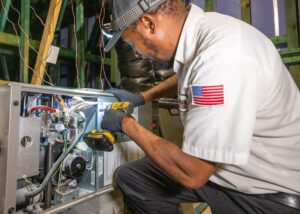
How fast will I notice a difference in my bills?
Usually within the next billing cycle. If the system was short-cycling or running with badly restricted airflow, sometimes you notice it right away, the house just feels different.
Is heater revitalization worth it for an older unit?
If it’s structurally sound, yes. It can buy you meaningful time. But if it’s near end-of-life and failing repeatedly, you’re patching a sinking boat. A straight tech will tell you which situation you’re in.
What’s the most common hidden cause of rising winter bills?
Airflow problems and dirty components, almost every time. Failing capacitors and miscalibrated thermostats are close behind, sneaky issues that don’t announce themselves.
Does heater revitalization help with electric systems too?
Absolutely. Electric systems deal with weak relays, dirty coils, failing blower motors, bad sequencers. All of it drives up energy use. The principles are the same.
How often should this be done?
Once a year, before the cold hits hard. Skip a few seasons and your energy bills will eventually make the appointment for you.
So, Does It Work?
Yeah. It works.
Not magic. Not marketing. Just taking a system that’s been grinding through seasons on dirty components and bad calibration, and getting it back to where it should be.
If your heater runs longer than it used to, if some rooms never quite warm up right, if your bills keep creeping up with no clear reason, don’t assume replacement is the only move.
Sometimes the system just needs heater revitalization done properly, by someone who actually checks the numbers.
