

The first cold snap hits, and everyone in the neighborhood seems to remember they own a furnace. Suddenly, repair companies are slammed, service calls are booked solid, and wait times stretch longer than anyone would like. That’s why choosing to schedule revitalization before peak heating season pays off—not just for comfort, but for peace of mind.
Beating the Rush
Imagine standing in line at the grocery store the night before Thanksgiving. Carts everywhere, shelves half-empty, patience running thin. That’s what heating service looks like in December. Everyone realizes at the same time that their system needs help.
By getting ahead of it and setting your schedule early, you skip the chaos. Technicians aren’t juggling back-to-back emergencies yet. You get longer appointment windows, and often, more thorough service because no one’s racing to the next call.
Preventing Breakdowns When You Need Heat Most
The worst time for a system to fail? When temperatures finally dip below freezing. Unfortunately, that’s also the exact moment most neglected furnaces decide to quit.
Revitalization done ahead of the season catches those issues—weak igniters, dirty burners, worn belts—before they snowball into full breakdowns. You’re scheduling peace of mind. You’re giving yourself a system that’s ready for the demand instead of hoping it’ll hold together.
Saving on Energy Bills
It’s easy to forget that heating is one of the biggest contributors to utility bills in winter. A dirty or sluggish system eats more energy than a freshly serviced one.
When you schedule revitalization, you’re not just preventing a mid-season disaster—you’re also restoring efficiency. Clean coils, lubricated motors, and tuned-up components mean less wasted energy. Those savings show up quietly, one bill at a time.
Extending the Life of Your Furnace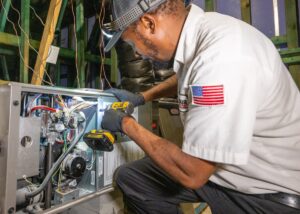
Think of revitalization as giving your furnace a fresh set of legs. Instead of limping into the season, it walks in steady and strong. Systems that get consistent service last longer—sometimes years longer—than those that run until they break.
By choosing to schedule revitalization early, you’re not just preparing for this winter, you’re investing in several more.
Why Waiting Costs More
A lot of homeowners wait until the first cold night to act. That usually means paying more. Emergency repairs cost more than scheduled revitalization. Replacement parts may be backordered. And with demand spiking, you might end up settling for whatever appointment you can get, instead of choosing a convenient time.
In other words: scheduling early saves money, time, and frustration.
Dependaworthy Service That Fits Your Schedule
Dependaworthy AC technicians don’t just show up—they show up ready. Dependable + Trustworthy = DEPENDAWORTHY!
We come in Dependaworthy repair trucks ready to roll, stocked with the parts and tools needed to get the job done right. And here’s our guarantee: Fixed right or you don’t pay. That means you can schedule early and trust that when the cold arrives, your system won’t leave you shivering.
FAQ
How early should I schedule revitalization?
Late summer or early fall is ideal. Your system is resting, and technicians have more availability.
What does revitalization include?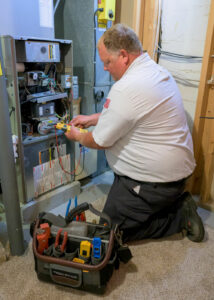
Cleaning, inspection, lubrication, safety checks, and performance adjustments. It’s a full reset before heavy use.
What if my furnace is already older?
That’s even more reason to schedule. Older systems benefit the most from extra attention before the season ramps up.
Does revitalization really extend the life of a system?
Yes. By reducing strain and catching problems early, many systems run years longer than neglected ones.
Don’t Leave It to Chance
You can wait until the first cold night and roll the dice—or you can schedule revitalization now and know your system will be ready. One path comes with stress, higher bills, and possible breakdowns. The other comes with peace of mind, steady heat, and fewer surprises.
When you want dependable comfort all winter long, call Dependaworthy. Our team lives up to the name. Dependable, trustworthy, and always fixed right—or you
