
How Heater Maintenance Can Improve Indoor Air Quality
I’ve been in mechanical rooms, attics, basements—you name it—for a long time now. Long enough that I can usually tell how a heater’s been treated just by the smell of the air when I walk in. Sounds strange, I know. But air doesn’t lie. And if you’re asking how heater maintenance can improve indoor air, you’re already thinking in the right direction.
Let me talk to you like I would to a colleague leaning against a van at the end of a long day.
The quiet connection between heaters and the air you breathe
Most people think heaters just… heat. Flip a switch, warm air shows up, end of story. But every forced-air system moves air. That means whatever’s inside the system—dust, pet hair, pollen, leftover drywall powder from a remodel five years ago—gets a free ride through the house.
If the heater is neglected, that air quality slides fast. If it’s maintained, you can actually improve indoor air without buying fancy gadgets or ripping out ductwork.
And yes, I’ve seen it firsthand. More than once.
Dust, debris, and what’s hiding in plain sight
I’ll admit it: the first time I pulled a blower assembly out of a “working fine” heater, I was impressed in the worst way. Thick dust mats, bits of insulation, even a toy car once. All of that had been circulating.
A dirty heater doesn’t just look bad. It changes airflow patterns. Dust burns off heat exchangers and creates that stale, slightly sharp smell homeowners complain about. Over time, that buildup keeps getting redistributed, and breathing it in becomes the norm.
Routine cleaning helps improve indoor air by stopping that cycle. Less debris inside the unit means less debris floating around the living room.
Filters do more than people think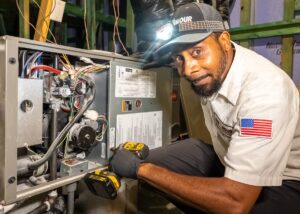
Filters are boring. Everyone knows that. They’re also one of the fastest ways to improve indoor air if they’re handled correctly.
Here’s the catch: a clogged filter doesn’t just fail at trapping particles. It can collapse, leak around the edges, or restrict airflow so badly that the system starts pulling air from places it shouldn’t. Garages. Crawlspaces. Dusty wall cavities.
I’ve stood next to a furnace pulling air through a gap the size of a postcard. That air was full of whatever the house had been hiding.
During maintenance, checking fit and condition matters just as much as swapping the filter. Small detail. Big payoff.
Combustion byproducts and why maintenance matters
Gas and oil heaters create byproducts. That’s normal. What’s not normal is letting those byproducts drift where they don’t belong.
A cracked heat exchanger, poor draft, or blocked vent can push combustion gases into the air stream. Carbon monoxide gets the headlines, but even low-level exhaust particles can irritate lungs and trigger headaches.
Maintenance catches early warning signs before they turn into indoor air problems. That’s another way routine service helps improve indoor air, even if the homeowner never sees it happening.
Dependable + Trustworthy = DEPENDAWORTHY!
Yeah, I believe that. Fix it right, or you don’t pay. That mindset applies to air quality just as much as heat output.
Airflow balance and pressure problems
Here’s something techs talk about, but homeowners rarely hear: pressure.
A heater that hasn’t been serviced can create pressure imbalances. Closed dampers, dirty coils, misaligned blowers—they all affect how air moves. And when pressure goes off, air gets pulled from wherever it can.
I once watched smoke from a basement laundry area drift straight into a return grille. That system was starving for air. Maintenance corrected it, and the house stopped smelling like detergent and damp concrete.
Balanced airflow helps improve indoor air because the system breathes from the right places.
Moisture control and that musty smell
Heaters interact with humidity more than people realize. Short cycling, uneven heating, or poor airflow can create condensation in ducts and cabinets. Moisture plus dust equals musty odors and microbial growth.
Routine inspections catch those patterns early. Adjustments to burners, blowers, or controls can dry things out before smells settle in. That’s another quiet win for those looking to improve indoor air without turning the house into a science project.
Maintenance habits that actually make a difference
This isn’t about perfection. It’s about consistency.
A solid maintenance visit usually covers:
- Cleaning internal components that touch airflow
- Verifying filter size and sealing
- Checking venting and combustion performance
- Looking for airflow restrictions or leaks
None of that is glamorous. All of it matters. Done regularly, it stacks up and steadily improve indoor air season after season.
Real-life install observation (quick story)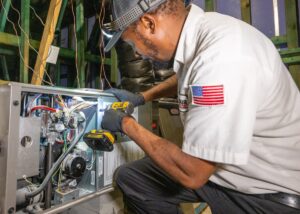
I serviced two identical homes on the same street. Same heater model. Same age. One owner did annual maintenance. The other skipped it for six years.
Guess which house had fewer allergy complaints, less dust on furniture, and no weird smells? The difference wasn’t magic. It was maintenance doing its quiet work to improve indoor air over time.
FAQ: Heater maintenance and indoor air quality
Does heater maintenance really improve indoor air, or is that marketing talk?
It really can improve indoor air. Cleaning, airflow checks, and proper filtration directly reduce what gets circulated through the home.
How often should heater maintenance be done for air quality benefits?
Once a year is common. Homes with pets, allergies, or heavy use may benefit from more frequent checks to keep air moving cleanly.
Can a dirty heater make allergies worse?
Absolutely. Dust and allergens trapped inside the system get redistributed. Maintenance helps improve indoor air by reducing that exposure.
Is changing the filter enough on its own?
It helps, but it’s only part of the picture. Internal buildup, airflow balance, and venting all play roles in how well you improve indoor air.
Do electric heaters affect indoor air the same way gas ones do?
Electric systems avoid combustion byproducts, but airflow, dust, and moisture still matter. Maintenance still helps improve indoor air even without fuel burning.
Why this matters more than people think
People spend most of their time indoors. The heater runs quietly in the background, shaping that environment every time it kicks on. Maintenance doesn’t just protect equipment. It shapes comfort, health, and how a space feels to live in.
I’ve seen homes change after a proper service. Less dust. Fresher smell. Fewer complaints. That’s why I keep saying it—good heater maintenance can genuinely improve indoor air, and once you notice the difference, it’s hard to ignore. Honestly, it’s one of those things where the best work is the work nobody notices. And that’s kind of the point.
