
Is Indoor Air Pollution Affecting Your Family?
At Dependaworthy One Hour Heating and Air, we know how important it is to protect the air our families breathe every single day. That’s especially true for children. Their lungs are still developing. They breathe more rapidly than adults.
And they tend to spend a lot of time indoors—whether it’s during the summer heat, allergy season, or school nights at home. So, when indoor air isn’t clean, they’re the first to feel it. Let’s pull back the curtain and talk plainly about the risks, the symptoms of indoor air pollution, and what we can do about it.
What Indoor Air Pollution Does to Kids
Indoor air pollution isn’t something you can always see. But you sure can feel it—especially if you’ve got a little one dealing with coughing fits or allergies that don’t quit. Children are more sensitive to irritants like dust mites, pet dander, mold spores, cleaning chemicals, and secondhand smoke.
Some of the most common effects we see in homes with poor indoor air are:
- Frequent coughing or sneezing
- Nasal congestion or runny nose
- Itchy eyes or sore throats
- Headaches and fatigue
- Aggravated asthma or allergy symptoms
In the long run, kids who grow up breathing contaminated indoor air may have an increased risk of respiratory infections and even developmental delays. That’s a price no family should have to pay for simply being indoors.
When Should You Call Us?
We always tell folks—don’t wait for a full-blown issue.
Here’s when it makes sense to get one of our Dependaworthy AC technicians on the job:
- You notice a musty smell in the house that lingers.
- Your child’s allergies or asthma symptoms worsen indoors.
- You see visible mold on vents or around HVAC units.
- The air feels heavy or stuffy even with windows closed.
- It’s been over a year since your last HVAC inspection.
We don’t want anyone playing guessing games with their air quality. We’ll come out, assess the situation, and lay it out clearly. No pressure. No upsells. Just honest feedback from stubbornly honest AC technicians.
What We Do to Clear the Air
Here’s a peek into the steps we take when tackling indoor air pollution issues:
1. Home Air Quality Testing
We run diagnostics to detect pollutants like mold spores, VOCs (volatile organic compounds), and carbon monoxide. We use equipment that picks up what your nose can’t.
2. HVAC Inspection
We check the inside of your ductwork and the entire HVAC system for mold, debris, and leaks. If it’s pulling dirty air from an attic or crawlspace, we’ll find out.
3. Air Filter Assessment
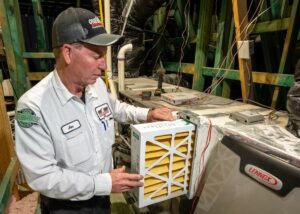
We evaluate your current air filter setup. A basic fiberglass filter might not cut it. Sometimes we recommend HEPA or media filters for families with kids.
4. Duct Cleaning or Sealing
Dirty or leaky ducts can circulate pollutants room to room. We’ll clean and seal them up if needed so clean air stays clean.
5. Air Purification Options
Depending on your home and needs, we may suggest UV lights or air scrubbers that reduce bacteria, viruses, and allergens at the source.
What You Can Do Right Now
Even before we show up, there are small steps you can take today to improve the air your children breathe:
- Open windows regularly to ventilate.
- Vacuum carpets and rugs with HEPA filters.
- Avoid scented candles, aerosols, and strong chemical cleaners.
- Wash bedding and stuffed animals weekly in hot water.
- Change HVAC filters every 1–3 months depending on use and pets.
FAQ: We Hear These Questions All the Time
How do I know if my home has poor air quality?
If your child seems fine outside but gets stuffy, coughs, or feels tired indoors, that’s your first red flag. Visible mold, stale air, or condensation on windows can also be warning signs.
Is indoor air pollution more dangerous for kids than adults?
Yes. Their lungs are smaller and still developing. They breathe more air pound for pound than adults. That means more exposure to anything harmful in the air.
Can an HVAC system help improve air quality?
Absolutely. A clean, well-maintained system with a proper filter traps dust, pollen, pet dander, and more. Adding purification tools takes it even further.
How often should I have my HVAC system checked for air quality issues?
Once a year is a good rule of thumb. But if you’ve got kids with asthma or allergies, twice a year may be worth it—especially before allergy or cold seasons kick in.
A Note From the Field
We once had a family in Charlotte whose little boy kept getting sinus infections. They tried antibiotics, humidifiers, and even food allergy tests. Nothing worked. When we inspected their HVAC, we found mold building up in their ductwork right over the boy’s bedroom. We cleaned it out, sealed the leaks, and installed a higher-grade filter. The infections stopped almost immediately. That’s the stuff we live for—making life better through air you can actually feel good breathing.
When You Want Help, We’re Standing By
Your home should be a place where kids can grow, learn, and breathe easy. If your gut tells you something’s off with your indoor air, trust that instinct. We’re parents too. We’ve lived through sticky summers, cold nights, and the worry that comes when your kid doesn’t feel right.
Dependaworthy repair trucks are ready to roll. Whether it’s a routine inspection or something that just doesn’t smell right, we’ll send a Dependaworthy technician who treats your home like their own. Fixed right or you don’t pay.
Dependable + Trustworthy = DEPENDAWORTHY. Let’s clear the air—literally. Give us a call today, and let’s talk about what’s going on inside your home’s lungs. We’ll be honest. We’ll be fast. And we’ll make sure your kids breathe easier tomorrow than they did today.
