
The Symptoms of Bad Indoor Air Quality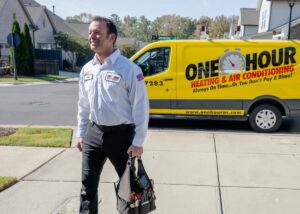
If the air inside your home feels heavy or makes you sneeze more than usual, you’re not imagining things. Bad indoor air quality can sneak up on a house like a leaky roof—quiet at first, then suddenly causing all kinds of problems.
At Dependaworthy One Hour Heating and Air, we’ve helped families across the region uncover what’s really floating in their air. Let’s break down what to look for, when to call us, and what the fix looks like.
What Does Bad Indoor Air Quality Look Like?
You can’t see it. You usually can’t smell it either. But the effects? You and your family will feel those all day. Here are the symptoms we’ve seen in homes with air that needs serious help:
1. Allergy-Like Symptoms
Sneezing. Coughing. Itchy eyes. If that sounds like your daily routine, your HVAC system might be moving more dust, dander, or pollen than clean air. We’ve walked into houses where a quick vent check confirmed what tissues already knew.
2. Unexplained Fatigue
Feeling sluggish, even after a full night of sleep? That foggy-headed feeling can come from breathing in low levels of carbon monoxide or mold spores. It chips away at your energy day after day.
3. Frequent Headaches
Headaches that hit more often at home than anywhere else could be caused by high humidity, chemical pollutants, or airborne VOCs from household cleaners and building materials.
4. Dry Skin and Irritated Sinuses
Overly dry air pulls moisture from your skin and nasal passages. Suppose your lips crack constantly or your nose feels like the Sahara. In that case, your system might be removing too much humidity or circulating dust and irritants nonstop.
5. Moldy or Musty Odors
This one hits right in the nose. That “old basement” smell isn’t just unpleasant, it’s a strong clue that mold has found a damp home inside your ductwork, crawlspaces, or insulation.
When to Call in the Pros
We always say trust your nose, lungs, and gut. But if you need a checklist, here’s when we recommend giving us a shout:
- You notice dust collecting fast, even after cleaning
- Your HVAC system sounds louder than usual or blows weak air
- Your home smells musty or stale, no matter how much you clean
- Family members are sick more often or feel worse at home
- You’ve had water damage, recent renovations, or pest issues
When one or more of these show up, that’s the perfect time to call in our Dependaworthy techs. We’ll show up with monitors, filters, and the know-how to figure out what’s going on.
How We Tackle the Problem (Step-by-Step)
Fixing indoor air quality isn’t about waving a wand—it’s about process and precision.
Here’s how we do it:
1. Home Air Quality Assessment
We bring in monitoring tools that read temperature, humidity, airborne particle levels, and more. We’ll ask about symptoms and habits, then inspect your HVAC setup and ductwork.
2. HVAC Inspection
We check for dirty filters, leaky ducts, mold growth, and malfunctioning humidifiers or dehumidifiers. It’s like checking the pulse of your home’s lungs.
3. Duct Cleaning (if needed)
If we spot buildup or mold in the ducts, we’ll clean them using high-powered vacuums and brushes. This cuts off the main route for dirty air.
4. Install Better Filtration or Purifiers
We might recommend a high-MERV filter or a whole-home air purifier depending on what we find. These tackle everything from pollen to bacteria without choking airflow.
5. Humidity Control
Too damp? Too dry? We’ve got humidifiers and dehumidifiers to dial your levels back to comfort mode.
6. Final Test and Advice
After we make changes, we retest and show you the results. Then we walk you through how to keep things on track between visits.
Our Promise to You
At Dependaworthy One Hour Heating and Air, we know this stuff gets personal. Breathing better affects everything your sleep, your focus, even your mood. That’s why we take indoor air quality as seriously as we take heating and cooling.
And yes, our Dependaworthy repair trucks are fully stocked and ready to roll. That means faster answers and fewer repeat visits. That’s just how we do things.
When You Shouldn’t Wait Another Day
Sometimes, waiting can make things worse.
Call us immediately if:
- Someone in your home has asthma and is experiencing flare-ups
- Your carbon monoxide detector goes off
- You see visible mold on vents, ceilings, or near baseboards
- You hear rattling or knocking inside your ducts
You don’t have to guess alone. We’re here to handle it.
FAQ: Indoor Air Quality at a Glance
How often should I change my air filters?
We recommend every 30–90 days, depending on your filter type, allergies, and whether you have pets.
Do air purifiers really make a difference?
Absolutely. Especially HEPA or UV-light purifiers, which target dust, bacteria, and airborne irritants. The right one can completely shift how your home feels.
Can my HVAC system be the problem?
Yes. A dirty system, clogged filter, or oversized/undersized unit can all mess with airflow and comfort. We check it all.
Is indoor air usually worse than outdoor air?
It can be. Modern homes are tightly sealed for energy savings, which also traps pollutants inside. Without the right ventilation and filtering, that air gets recycled over and over again.
How long does it take to improve indoor air quality?
Sometimes just a day. Once your system’s cleaned and filtered properly, many folks start breathing easier immediately. Bigger jobs may take a few more steps, but we stay with you every step of the way.
Your Next Step
Don’t ignore these symptoms. Breathing better at home starts with a single phone call. When you’re ready to breathe easier, trust the team whose name says it all, Dependable + Trustworthy = DEPENDAWORTHY!
Need us fast? Our Dependaworthy repair trucks are loaded up and on standby. We’ll be there when you need us—Fixed right or you don’t pay. Let’s clean up your air, so you can get back to enjoying your home without sneezes, stuffy noses, or mystery headaches.
